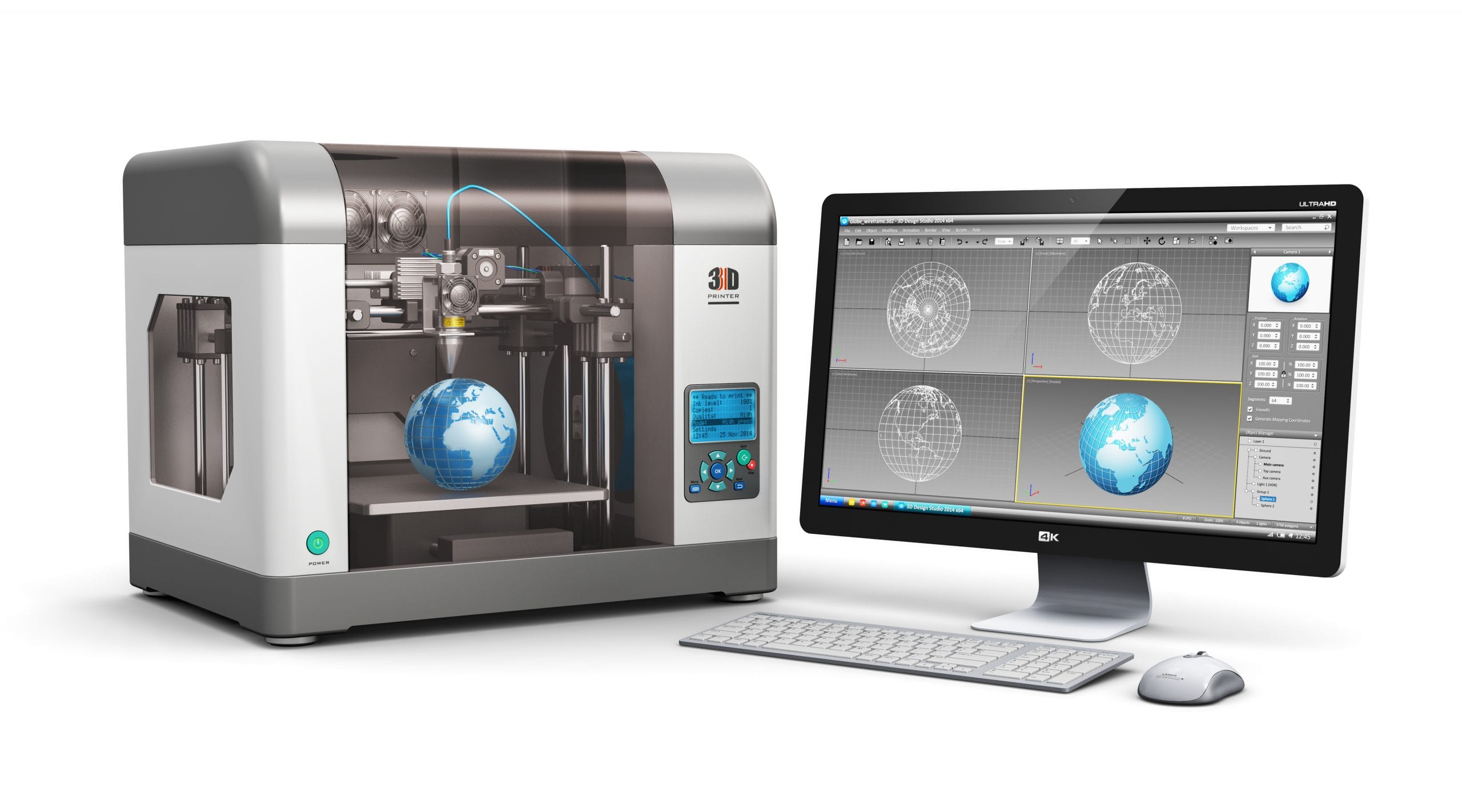
Have you heard of 3D printed foot orthotics? 3D printing (three-dimensional printing) for the manufacturing of foot orthotics is an excellent way to obtain high-quality orthopedic orthotics. If you currently wear or are considering wearing foot orthotics, you are likely aware that intense foot pain is associated with mobility difficulties and the limitation of many everyday activities, especially in older adults. Discover how 3D printing enables the creation of custom-made foot orthotics that are much more comfortable and precise.
What is a 3D Foot Orthotic?
A 3D foot orthotic is an orthotic created from a scan of your foot, also called a scanning scan. Your foot is fully scanned, and a 3D image of your foot is generated. The resulting image is sent to a foot orthotic manufacturing laboratory, like Skeltec, which converts it into a foot orthotic and then prints it in 3D.
3D printed custom orthotics have advantages over traditional orthotic manufacturing. Thanks to 3D printing, it’s possible to reproduce the shape of your foot with much more precision than with traditional methods. By scanning your feet, it’s possible to model orthotics tailored to your feet, down to the millimeter. You thus get a much thinner, more comfortable, and durable orthotic. If you already wear foot orthotics, you may be familiar with the traditional plaster casting technique, foam box, or wax molding. With the 3D printing technique, the process is much quicker; the podiatrist places your foot, takes an impression, and then repeats the process with the other foot. The data is then transmitted to a foot orthotics laboratory. During your next visit, feel free to ask your professional about 3D foot orthotics.
The Benefits of 3D Foot Orthotics
Wearing a 3D printed foot orthotic ensures the comfort and support necessary to go about your daily activities without pain or discomfort. Molded foot orthotics are especially useful for reducing foot, knee, or back pain. A well-fitting, custom foot orthotic can also help stabilize a deficient gait in elderly or injured individuals. Thus, the optimal fit provided by a 3D printed foot orthotic gives you confidence and security.
If you engage in sports, 3D printing allows for the design of thin, comfortable orthotics that fit your feet perfectly. This helps improve performance while preventing potential injuries or aiding in the recovery process after an injury. The custom 3D printed foot orthotic takes your foot’s specificity into account. By correcting foot positioning, the orthotic helps improve posture and balance. The 3D imprint analyzes the entire surface and volume of the foot with great precision. The process is quick and painless, resulting in fully personalized foot orthotics.
Another significant advantage of 3D printed foot orthotics is the time savings. Indeed, scanning your feet with a 3D scanner takes just a few minutes, and the data is easily transmitted to the laboratory. As a result, you receive your new orthotics much faster, and they fit better than your old ones.
Finally, 3D printed foot orthotics are the most eco-friendly solution available on the market. There is a 90% reduction in environmental footprint during manufacturing, and the orthotics are 100% recyclable at the end of their life!
Talk to Your Podiatrist About Skeltec Foot Orthotics
Don’t settle for just any foot orthotics; talk to your foot professional about Skeltec’s 3D printed foot orthotics. Regain your mobility and the ability to do the activities you love with Skeltec’s 3D printed foot orthotics made in Quebec by specialists in 3D foot orthotic manufacturing.
Skeltec is a foot orthotic manufacturing laboratory certified by the Ministry of Health. For your professional, the technique is simple and easy to use: they can scan your foot’s imprint with an iPad and transmit it to us via our web app designed for that purpose. We create your custom foot orthotics without intermediaries, in our laboratory, using state-of-the-art equipment. Does your podiatrist know Skeltec?
For podiatrists and orthotists, the process of making 3D foot orthotics is certainly interesting to learn about. The 3D manufacturing used for creating foot orthotics is a much more comfortable and faster technique than traditional molding methods. In this article, we will cover the various steps involved in the production of a 3D foot orthotic. Keep reading to learn more.
What is a 3D Printed Foot Orthotic?
The production of 3D printed foot orthotics has several advantages over traditional foot orthotic manufacturing. 3D printing allows for the production of personalized shapes and geometries that are impossible to create with traditional techniques. An iPad equipped with a 3D sensor is used to capture the foot’s imprint, which is then transmitted to the laboratory via a web portal. Using their account on the laboratory’s web portal, each professional can track the progress of their patient’s orthotic production in complete confidentiality. The orthotics can be made faster and are easier to modify and reproduce. Additionally, since the imprint is permanently stored on the portal, it can be easily accessed anytime for consultation, reproduction, or modification.
The 3D manufacturing process offers advantages compared to the traditional method of using plaster molds to obtain a negative of the patient’s foot, which is then used to mold a replica of the foot. The traditional plaster molding process is messy, time-consuming, and environmentally harmful. With 3D printing, manufacturers can move from scanning the patient to creating the model in less time and with less labor. Let’s discuss the benefits of 3D printing for making foot orthotics in more detail.
The Advantages of 3D in Foot Orthotic Manufacturing
Among the many advantages that 3D printing offers for foot orthotic manufacturing, we can highlight the time and cost savings in the production of orthotics. This manufacturing method creates almost no waste, meaning less material usage and more money saved on production costs. Furthermore, since the orthotics can be customized to fit any type of foot or condition, this system offers much better adaptation than traditional molding techniques. This results in fewer complaints about comfort after purchase. The risk of errors is significantly reduced, and the quality of the foot orthotics is greatly improved.
For patients, having foot orthotics that are better adapted to their foot issues can make a real difference in their quality of life. Moreover, 3D printed foot orthotics are thinner, providing more comfort for the patient.
Steps in the 3D Manufacturing of Foot Orthotics
The manufacturing of 3D foot orthotics occurs in a few steps, beginning with the imprinting process. The imprinting process is simple: a 3D scan of each foot is performed by the foot professional using an iPad equipped with a 3D sensor, as mentioned earlier. The professional then applies necessary corrections or retakes the imprint if not satisfied. The files are then transmitted to the laboratory for design.
The design of the orthotics is then carried out by certified orthotists-prosthetists using a unique and innovative design software developed exclusively for Skeltec, which transforms the image into orthotics with a precision of one millimeter. Next, the 3D printing of the orthotic and the application of a durable finishing process that enhances its mechanical properties are carried out. For the finish, the 3D orthotic can be worn as is or covered with several materials, including EVA foam (Ethylene-Vinyl Acetate), which is very popular for its durability, lightness, and resistance. The finishing step is the last stage of the 3D foot orthotic production: it can be performed in the laboratory or by the professional in the clinic.
Unmatched Precision in Foot Orthotics
Why choose Skeltec for your next foot orthotic investment? The cutting-edge technology we use allows us to provide a turnkey service, from image acquisition and 3D modeling to the printing of foot orthotics, all without any intermediaries. You get 3D printed orthotics made from ultra-durable materials that do not wear out over time. If you want to learn more about how Skeltec can help your practice using 3D printing technology, find a clinic today!
Are all 3D printed foot orthotics truly custom-made? This is a question often asked, especially when considering products available at pharmacies. The answer is no. While 3D printing of foot orthotics is certainly a revolutionary manufacturing method in the world of personalized medical devices, not all 3D printed foot orthotics are custom-made. The level of customization varies depending on the software used by foot orthotics manufacturing laboratories. In reality, some manufacturing methods do not take all the necessary criteria into account to create fully custom-made foot orthotics. Keep reading to find out how 3D printed foot orthotics are made fully custom for you.
3D Technology at the Service of Foot Professionals
For podiatrists and orthotists, 3D printed foot orthotics offer the opportunity to provide more services to their patients by allowing them to perform foot scanning directly in the clinic. When starting an evaluation to prescribe foot orthotics, the process begins with a physical evaluation of the foot and gait, as well as some questions about the lifestyle to ensure that each patient receives the right solution, whether they are an avid runner or need to be on their feet all day at work. Most people’s feet fit into a standard shoe size, but it is unlikely that both feet are dynamically identical. Thus, each foot probably requires a different level of correction. This is why 3D printed foot orthotics provide precise customization for each of your feet.
The beauty of 3D printed foot orthotics is that they fit perfectly to the contour of each of your feet to meet your unique needs. Scanning the foot with an iPad equipped with a 3D sensor allows for a precise impression of your feet. The modeling software, in turn, creates a 100% custom digital foot orthotic that serves as the basis for the production of fully custom 3D printed foot orthotics. You can therefore be assured of receiving a high-quality foot orthotic that will provide lasting comfort and stability.
Different Types of 3D Printed Foot Orthotics
It is important to distinguish between fully custom 3D printed foot orthotics and over-the-counter or partially custom foot orthotics. Indeed, over-the-counter foot orthotics are mass-produced based on shoe size. They serve more as orthotics to be inserted into a shoe or boot or as foot arch supports. Since they are mass-produced in large quantities, they are obviously much cheaper than fully custom 3D printed foot orthotics. On the other hand, some laboratories use modeling software that only takes certain criteria into account and does not perform a complete 3D modeling. Commonly referred to as 2.5D, these orthotics appear to be custom-made but are not truly 100% tailored. These are known as partially custom foot orthotics.
However, do these pre-made or partially custom foot orthotics really meet your needs? By consulting a professional equipped with the tools for scanning and 3D modeling, you can receive a professional evaluation of your feet and foot orthotic needs.
Custom-made foot orthotics come in several forms, and thanks to 3D scanning, it is possible to obtain foot orthotics perfectly adapted to your situation. For example, there are custom orthotics for children, which help prevent or correct certain biomechanical deficiencies. Custom foot orthotics for diabetics help prevent the formation of sores or lesions resulting from the disease. As for athletic foot orthotics, they are designed to support the feet and improve the performance of runners. The accommodative foot orthotic is suitable for seniors suffering from osteoarthritis and is designed to prevent the risk of falls. Finally, the short foot orthotic, used for various foot problems, is the most versatile. Over-the-counter or partially custom orthotics logically cannot provide a lasting solution to specific problems.
For Fully Custom 3D Printed Foot Orthotics
Skeltec manufactures fully custom 3D printed foot orthotics. Unlike some laboratories, we take all the necessary criteria into account for producing fully custom foot orthotics. Additionally, our orthotics are made by certified orthotists-prosthetists, and we are always on the lookout for the latest innovations in the field of fully personalized 3D printed foot orthotics.
Do you have an appointment with your foot professional? Talk to them about Skeltec to get fully custom 3D printed foot orthotics!
The podiatrist, foot orthotist, and foot orthotics go hand in hand; they play a crucial role in resolving foot problems. Treating these issues is a rigorous process that requires the expertise of a professional. Over-the-counter pseudo-orthopedic orthotics should not be seen as an effective solution, especially since they are not custom-made. Athletes, children, diabetics, seniors, and many others are all at risk for injuries, biomechanical misalignments, and foot pain. A resource to consult from the start, the podiatrist and orthotist are the cornerstone of foot orthotic treatments. Here’s why.
What are Foot Orthotics for?
To be considered orthopedic, an insole inserted into a shoe must have certain characteristics. While comfort, insulation against cold, and cushioning are not to be neglected, true foot orthotics have more fundamental properties. A foot orthotic, as any podiatrist will confirm, primarily serves to improve the body’s biomechanics, which in turn has beneficial and lasting effects on your lower limbs. How does it work?
By forcing your feet to meet the ground differently and better support it, a foot orthotic corrects an altered kinetic pattern (such as walking or running) caused by an injury, wear, or even a genetic predisposition, and thus, initially reduces pain or discomfort. More importantly, such repositioning results in a different and constant engagement of the supporting and postural muscles, which helps activate certain muscles, notably locomotor ones. This is essentially what is referred to as biomechanical realignment or correction. The outcome is beneficial effects on several joints, muscle toning, and improved sports performance (efficiency, injury prevention).
Foot Orthotics, but Not Just Any Kind
Our posture when standing has a major impact on our feet. It is clear that any modification or correction through a foot orthotic, as confirmed by both podiatrists and foot orthotists, should not be imprecise, nor should it be done “randomly” or by trial and error. This is why it is important to consult a professional from the outset.
Podiatrists and doctors possess the required medical expertise for diagnosis. They also know that custom-made foot orthotics are more beneficial, and they are often familiar with the latest manufacturing technologies in this field.
In this regard, the production of foot orthotics via scanning and 3D printing has been a major innovation in recent years. Manufactured in laboratories from the podological measurements and data provided, these high-tech orthotics are thinner, more flexible, more comfortable, and free of any imprecise areas; they are fully custom-made.
Recognizing Needs and Knowing the Solutions
Foot pain is a common problem. Fortunately, podiatric science is evolving, and palliative or curative techniques are improving. In the case of foot orthotics made via modeling and 3D printing and prescribed by podiatrists or doctors, the results meet expectations, even improving the overall health and well-being of patients.
More specifically, the morphological precision and orthopedic properties of the new custom foot orthotics can address issues related to deformities, ankle eversion, flat feet, and high arches, for example. They can also alleviate or even cure medical conditions such as plantar fasciitis, metatarsalgia, Lenoir’s spur, tibial periostitis, knee pain, and more.
Technology, Foot Orthotics, Podiatrist, Orthotist, and the Solution: SKELTEC
From the soles of our feet to the lower back, many of our pains and limitations stem from our posture and the way we make contact with the ground. The professional addresses these health issues, which involve not only bones and muscles but also joints and tendons.
Foot professionals are also keenly interested in new foot orthotic treatment protocols and, in this regard, the innovative products resulting from new manufacturing techniques. Skeltec’s scanning and modeling software solutions, as well as the 3D printing manufacturing process used by the company, have redefined the standards. Discuss this with your professional.
3D foot impressions for orthotics are the most precise technique in the field of orthotics manufacturing. Whether for making orthotics for the feet, tibia, or knees, the two main measurement techniques are plaster molding and 3D impression taking. Continue reading to learn more about 3D plantar digital imaging.
What is 3D Foot Impression?
The aging population has caused the demand for high-quality orthotics to grow exponentially. The question of creating high-precision orthotics is therefore increasingly relevant, and one solution lies in 3D foot impressions. This technique provides a much more precise image of the foot than traditional methods. As a result, it has become essential for foot professionals to familiarize themselves with 3D foot scanning to make their work easier and improve their treatments.
What does 3D impression taking involve?
3D impression taking involves using a specialized spatial acquisition sensor. This type of sensor is precise to within 1mm and can be connected to an iPad. Additionally, the use of specialized software allows the analysis of the sensor’s data to digitally recreate the foot’s shape. The resulting image is more accurate than traditional techniques recognized in the field.
What is the difference between 3D Foot Impressions and Conventional Techniques?
The 3D foot impression technique developed by Skeltec uses a 3D sensor and provides greater precision than conventional techniques. The latter, which can involve plaster molds, foam boxes, wax, or fiberglass, do not offer the same level of precision as 3D foot scanning, which produces an exact image of the foot that can be used digitally to capture every detail of the foot’s contours.
What are the Benefits of 3D Foot Impressions?
3D foot impressions, or digital 3D plantar imaging, offer a significant number of benefits, starting with the level of precision and real-time visualization of the impression. By recreating the morphology of each foot, we get a more faithful image and a result with unparalleled precision. Digital foot imaging significantly reduces the risk of errors: fewer errors mean less pain, optimal comfort, and increased patient satisfaction. Another advantage of this technique is the speed of execution and the reproducibility of the resulting orthotics.
Finally, thanks to Skeltec’s web application, the images obtained from 3D foot impressions are transmitted directly to our laboratory in real-time.
Why Choose Skeltec for 3D Foot Impressions?
Skeltec is a manufacturer of orthotics located in Quebec, certified by the Ministry of Health. The orthotics are designed and fabricated by orthotists-prosthetists using state-of-the-art equipment.
The technique used by Skeltec captures an image of the foot on an iPad using a 3D sensor. With our easily accessible web portal, podiatrists can track the progress of their orthotics orders at any time. Skeltec offers full support with an online tutorial video and training provided by the laboratory. The finishing of the orthotics can also be done in the laboratory.
To learn more about the digital impression technique and the manufacturing process used by Skeltec, contact us.
3D Foot Impressions with Skeltec
Orthotics are not just for the elderly, although they are the most frequent users. Athletes of all levels, active individuals, and even children should wear orthotics to correct problematic posture and relieve pain. By using Skeltec’s 3D foot impression technique for designing and manufacturing your patients’ orthotics, you ensure a high-quality product with exceptional precision, all made in Quebec. Contact the orthotics professionals at Skeltec to learn more.
Orthotics for foot pain: what’s the trick? In fact, it’s science! More specifically, the performance of technology applied to orthotics. As we’ll see, foot pain generally appears “in the wake” of strain (stress), stemming from morphological issues or related to posture. These are problems that can be alleviated, or even solved, by high-tech orthotics offered by a podiatrist and custom-made. Today, your foot pain can truly be relieved by orthotics.
What is the cause of foot pain?
There is not just one type of foot pain. There are several. In fact, our feet are one of the most taxed parts of our anatomy: they absorb shocks like excess weight, propel us during various physical activities, sometimes feel too cramped in our shoes, and compensate for postural imbalances, etc. We put them to all sorts of uses, which over time can cause unpleasant discomfort or real foot pain. Whether sharp, diffuse, or latent, these pains in the heel, fascia, toes, or ankle can be temporary or chronic. They must still be eliminated, or at least alleviated — especially with the use of orthotics — as they often signal future health problems, or even pathologies or dysfunctions.
Joint or bone wear in the lower limbs, especially caused by poorly distributed or excessively imposed load, is quite common. Bad shoes, wearing high heels, intensive practice of certain sports, insufficiently treated injuries… are all stresses imposed on the feet, stresses that can lead to chronic pain, or even associated injuries. Moreover, certain small skeletal deviations result in biomechanical compensations that, over time, end up over-stressing or making our lower limbs move improperly, causing foot pain. Finally, it is clear that hereditary or acquired conditions, such as fallen arches, claw toe deformities, plantar fasciitis, Morton’s neuroma, or calcaneal tendonitis, for example, are sources of foot pain. However, these can be controlled or greatly reduced by wearing technological orthotics.
Orthotics as a solution for foot pain
Using orthotics is not a luxury. Just like the foundations of a house, which must be solid and straight to properly support the entire structure, our feet must take proper, efficient, and healthy support on the ground. This means they must be able to endure the force exerted on them by our weight without suffering abnormal negative effects, without destabilization, significant body misalignment, or undue pain. Custom-made orthotics improve stability and balance, properly distribute loads, promote natural shock absorption through our lower limbs, and ensure posture that suits every body type. These are functions that prevent pain and feet from becoming an inevitable association.
Technological orthotics also have a curative effect, at the very least alleviating pain, when misalignments have been present for a long time. Their corrective power can even be felt, not just in the feet; certain knee, hip, back, etc., ailments tend to fade when the body is better supported on the ground.
Various “classic” pathologies also put feet to the test and cause more or less intense pain. Consider, for example, inflammation of the plantar fascia, Lenoir’s spur, bunions, high arches, and hammer toe. In these cases, seeing a foot specialist is necessary. The important thing is that a biomechanical evaluation be conducted by professionals so that, if needed, the use of orthotics is prescribed appropriately. In many cases, using technological orthotics can result in a significant reduction of foot pain or even pain elsewhere, reduced muscle fatigue, improved gait, and the ability to engage in certain sports again, etc.
Skeltec: the orthotics technology you need to discover
Orthotics play a role in countering foot pain. If you suffer from such pain, the most common solution in podiatric treatment is the use of orthotics. In this regard, the Quebec-based manufacturer Skeltec offers custom orthotics made using 3D printing technology that makes them precise, thin, durable, and comfortable. Both their materials and their construction (using a 3D sensor mounted on an electronic tablet to capture morphological foot data in the clinic) make them a high-quality product. Talk to your podiatrist about it.
“Plantar fasciitis? Orthotics! I just have pain under my feet…”. This is often what we tell ourselves when a professional informs us that we have inflammation of the fascia and need to treat it quickly. In active individuals, this inflammation (which is common) results from an injury caused by sports, but it can also, in others, be the consequence of a physiological condition or even an anatomical anomaly. Fortunately, technology now offers simplified and effective orthopedic solutions. Here’s what you need to know about plantar fasciitis and orthotics.
Plantar Fasciitis in a Few Words
Due to poor foot positioning, excessive strain, an injury, etc., pain under the soles of the feet can appear and persist. When the heel or arch of the foot becomes unusually sensitive, it indicates the presence of inflammation, possibly in the band of connective tissue that keeps the arch tense and curved (the foot’s arch). This elastic band plays a fundamental role in supporting and absorbing functions of our feet; it is subjected to tension forces when stretched. Its name? The superficial plantar aponeurosis (SPA).
The SPA is more commonly referred to as the “plantar fascia,” hence the term plantar fasciitis when it is diagnosed that the fascia—this ligamentous tissue connecting the heel bone to the metatarsal heads (the start of the toes)—is inflamed. Such inflammation corresponds to damage to the plantar fascia: overstretching, micro-tears, rupture. This is often felt as a sharp pain when getting out of bed or after sitting for a long time.
Plantar Pain as a Symptom of Fasciitis
Even though the pain may subside or disappear during the day, it does not mean the condition is gone. Plantar fasciitis (or aponeurosis) fluctuates in a way. When standing, under the weight of our body, the stretch on the fascia is maximal. The more intense or prolonged the physical activity, the more the plantar fascia is stressed; full foot loading (sometimes associated with pronation) then triggers the pain, often located under the heel. Age, excess weight, or conditions such as flat feet or high arches contribute to the development of aponeurosis but can be “compensated” for, as we will see later, with the use of orthotics.
Taking the time to identify your limitations or sensitive areas is useful; this can help the podiatrist pinpoint what is affecting you. Plantar fasciitis presents different symptoms: a feeling of warmth or stinging under the heel, pinching, stabbing pain under the foot’s arch, a sharp pain when palpating the fascia, painful compensation in the lower limbs while walking or climbing stairs, etc.
Can Technological Orthotics Treat Plantar Fasciitis?
The answer is yes. Technological orthotics, meaning those custom-made using 3D foot scanning and a 3D printing process, are an excellent option in treating plantar fasciitis. Their high effectiveness also lies in the fact that they are prescribed (by a professional) and made from superior technical materials. 3D-printed orthotics represent a treatment option for all types of conditions, from mild to severe.
In this way, they stand apart from over-the-counter pre-fabricated orthotics, which are only suitable for mild issues. It is important to always assess the severity of your foot pain because an ill-fitting orthotic, whether for a biomechanical problem or a health condition, can worsen plantar fasciitis or another condition.
Choosing Skeltec Orthotics
Made from the precise biometric data of each patient, validated by the professional’s expertise and integrated into a comprehensive orthopedic treatment, technological orthotics (better than any other orthotics) help support, realign, correct, cushion, and provide comfort for your feet.
As advanced orthopedic devices, Skeltec orthotics are among the best; they are the ideal orthotics to stop your foot pain. Whether due to a musculoskeletal deficiency, excessive strain, or an injury, plantar fasciitis can be well-controlled or even overcome by the products offered by Skeltec.
Your foot care professional is probably familiar with the latest foot scanning procedures, 3D printing manufacturing methods, and memory materials. Discuss these new podiatric orthotic technologies with them and the best choices based on your specific issue. They will likely teach you a lot about how to improve your quality of life.
Wearing custom-made orthotics for an athlete is far from being a hindrance. On the contrary, custom orthotics are beneficial in many ways, not only in terms of injury prevention but also in improving performance. Regardless of the frequency or intensity of physical activity, if you’re an athlete, custom orthotics are superior and advantageous. See here how they can meet your needs.
No matter the sports routine, orthotics equal advantage
Exercising regularly is a healthy habit, and all health professionals agree on this. However, it can sometimes mean operating in a high-level competitive environment or, more commonly, under the spell of an unbreakable passion. As a result, foot injuries may become more frequent, discomforts may arise, or premature degradation of the lower limbs may occur. Does this have to mean the end of the game?
Not at all, because today there are technological orthotics for athletes (whether experienced or not)! Some even have the potential to enhance their performance. We all have our habits, our equipment, a unique body structure… This can result in imperfect ground support or pronation, which can lead to discomfort over time, or even inflammation, not to mention a loss of movement efficiency.
Orthotics prescribed by a foot professional and custom-made contribute to the improvement of the body’s mechanical cohesion. Whether corrective or preventive, these custom-made orthotics have a positive impact on sports performance as they slow down muscle fatigue, increase kinetic fluidity (especially in the foot’s roll), reduce potential energy loss in the push, and better absorb each foot strike on the ground, particularly at the arch and heel areas.
Athletes and orthotics: defying predictions
By jogging regularly, playing soccer, tennis, basketball… you “run the risk” of injuring your feet more or less severely. Pathologies are indeed common in the world of these sports: Achilles tendonitis, plantar fasciitis, stress fractures, metatarsalgia, arthritis, etc. But are they inevitable?
One must be cautious in sports health; avoiding injuries is never guaranteed. That said, with the use of orthotics, an athlete has significantly higher chances of preventing them, and if they have already been injured or have an anatomical anomaly, they can return to their activities more quickly. Why? Because these technological orthotics are 100% custom-made, prescribed by a foot professional, and designed to correct or optimize foot support on the ground:
- They force the foot to position itself differently;
- They support it in case of targeted muscle weakness or deformation (such as the arch);
- They compensate for hypersupination or hyperpronation, etc.
A healthy habit with orthotics
An athlete already suffering from discomfort or foot pain will likely notice relief fairly quickly with the use of orthotics, although wearing them requires some adaptation. The pressure points in the shoe are no longer exactly the same, so while some tensions are relieved, others may temporarily appear. This is also common when an active person begins wearing orthotics preventively. New pressures (especially under the arch) are typically felt during the first few days due to changes in posture, movement, and stride. Soreness may even occur after a workout.
To avoid these “irritants,” the rule is to gradually ease into it. This means that athletes should wear orthotics gradually at first, outside of a competitive context. After a few days, by gradually adding an extra hour of wear per day, it will even be possible to use them without issue during light physical activities. If marked pain or discomfort arises, it is advisable to immediately inform your professional. They will assess the situation and may suggest specific exercises or check and adjust the orthotics for a better fit, allowing the athlete to better adapt to sport-specific orthotics.
Skeltec orthotics: your foot professional will agree
Generally, after a month of gradual adaptation to orthotics, an athlete can begin to enjoy their benefits. At the manufacturer of Skeltec technological orthotics, the focus is placed on both the performance of the materials (memory, shock absorbency, lightweight) and dimensional precision (digital foot capture technology, 3D printing, etc.). For the athlete, this translates to healthier, less tiring lower limb kinetics and, potentially, better performance. Consult with your professional to see what works best for your type of sport.
Heel spur and orthotic are terms that foot care professionals often mention in the same sentence when consulted for heel pain. The relief provided by an orthotic for a heel spur is proven in the treatment of this type of foot pathology. But beware! In terms of effectiveness, only a well-fitted, custom-made orthotic works for a heel spur. Let’s clear things up a bit.
You said… “heel spur”?
For those who suffer from heel inflammation, the term “heel spur” is probably well-known. The term is vivid, certainly, but it can cause some confusion, especially regarding how to control this issue. However, living with a heel spur is possible; the orthotic allows you to “remove such a spur from your foot”! But first, a little anatomy…
The unpleasant sensation of having something in your shoe, and then actually feeling sharp pain under the heel while walking or when touched, is symptomatic of this condition commonly known as a “heel spur.” Scientifically, it is an osteophyte on the calcaneus. This can be translated as… a small bony protrusion shaped like a spur that has developed too much under the largest bone of the heel (called the calcaneus), hence the other name: calcaneal spur, for this potentially problematic anatomical condition.
Putting aside Haglund’s disease, a localized inflammation at the back of the heel caused by a particular morphology already showing a bony prominence (exostosis), the presence of a small bone growth at this location is not in itself unhealthy. It is a normal physiological process, in fact, a calcium build-up — which is generally harmless for most people — that serves to reinforce the posterior attachment of the fascia, this elastic connective tissue band that maintains the foot’s arch and plays a crucial role in the foot’s shock-absorbing capacity.
However, when the fascia is overused, subjected to excessive or prolonged stress (sports, injury, atypical pronation, aging, excess weight, improper shoes, etc.), not only is there a risk of inflammation of the fascia itself (up to the heel), but also a constant strain on its posterior attachment, the heel spur, which thus tends to grow excessively. As this area is usually the point of contact with the ground when walking, such a protrusion (although not painful at first) eventually damages the tissues at the insertion point of the fascia on the calcaneus. It is these microtears that cause the pain, inflammation… and lead to the diagnosis of a problematic heel spur.
Is there an orthotic to relieve a heel spur? Of course!
It can never be stressed enough that untreated painful plantar fasciitis is a precursor to a calcaneal spur. Furthermore, without any podiatric intervention, the heel spur progresses to the point where the condition can become disabling. That said, by considering all aspects of your condition, your foot care professional will prevent you from reaching that stage. There are various curative and preventive approaches, and one of them is the use of orthotics for a heel spur.
Treating a heel spur should be a serious and consistent therapeutic process. Right from the start, a radiographic exam may be required. The severity of the condition will determine whether special treatments (such as surgery) need to be considered. However, generally speaking, since the cause of the microtears and inflammation in the heel is undue tension on the fascia, the key is to reduce this tension by wearing a custom-made orthotic for the heel spur and plantar fascia and performing certain calf stretching exercises.
An orthotic for a heel spur, imperatively a technological orthotic, meaning one made using a digital scan of the foot’s plantar surface and 3D printing, has dimensional characteristics ad hoc. Its shape increases the support of the foot’s transverse arch, which slightly shifts the stress forward, thereby reducing the pressure on the tarsus. It is also common for the orthotic for a heel spur to be paired with a specially adapted orthopedic shoe whose role is to enhance foot stability, shock absorption, and pronation corrections.
Foot care professionals know custom orthotics, Skeltec makes them!
Whether they are orthotics for healing, or at least for relieving pain, or orthotics for preventing a heel spur, the qualitative and technological leap was made when portable foot scanning allowed the production of 100% custom orthotics and was completed by a 3D printing manufacturing process involving superior and memory-enhanced materials. Skeltec embodies such innovation. Talk to your foot care professional about it.
An orthotic is much more than just an insole in a shoe. It’s a high-precision product that combines podiatric knowledge and 3D scanning and printing technologies. The effectiveness of orthotics is well proven; your foot care professional will confirm this, but in the meantime, you might want to know how this type of orthotic works and how to use it.
Why is the orthotic so therapeutic?
It’s interesting to note that nearly everyone who has tried a pair of orthotics has truly adopted them afterwards. This is because custom-made orthotics prescribed by a foot professional are designed and shaped for specific purposes. For example, to:
- Specifically modify the foot’s ground contact and reposition the lower limbs;
- Compensate for a deformity or asymmetry;
- Relieve pain following an injury;
- Achieve better balance;
- Support and optimally fit the shape of the foot’s arch during physical activity, etc.
The orthotic can represent the solution in the case of persistent pain caused by wearing improper shoes, overtraining, years of standing at work, etc. Technological orthotics are required — avoid over-the-counter pre-made orthotics found in pharmacies — when there is a diagnosis of flat feet, high arches, interdigital neuroma, shin splints, sesamoiditis, etc., but also when a person is diabetic, has one leg slightly shorter, or is simply elderly but still active.
They are called technological because of their greater precision, durability, and effectiveness; that’s why these orthotics are truly orthopedic. This performance is due to their creation, which begins with a digital foot scan using a 3D sensor, continues in a laboratory using data (computerized prescription from the professional), superior materials, and 3D printing technology, and finishes at the clinic where the professional makes the final adjustment with the client.
Is the longevity of orthotics related to their use?
When designing a next-generation orthotic, technicians and professionals consider that thinness, flexibility, comfort, and mechanical properties (absorption, propulsion, support, etc.) are the characteristics that define the quality of the product. However, without being quickly obsolete, these orthotics are not eternal, and the more they are used, the more they age. Therefore, their useful lifespan varies depending on their usage (around 3 to 7 years).
Additionally, you should inform your podiatrist of any significant body changes (growth, weight loss, etc.) as this may affect the effectiveness of the orthotics over time. Obviously, proper maintenance is also necessary.
Maintenance of orthotics
Some orthotics are laminated. Their main material exhibits all the required mechanical and orthopedic characteristics. This plastic material is non-allergenic, resistant to fatigue, and, to some extent, to heat, humidity, and sweat. The upper side may feature a self-adhesive film that allows for custom finishing or cushioning. That said, it is important to maintain your orthotics to ensure they provide consistent performance. Thus:
- Every evening (or after physical activity), remove your orthotics from your shoes to let them air out and dry;
- Hand wash your orthotics using a damp cloth (warm water, mild soap) or a soft brush. Do not immerse them if they have a coating, and blot them without twisting;
- Let them dry flat, away from heat sources and without exposing them to the sun;
- Use anti-odor or antibacterial products approved by your professional;
- Keep your orthotics out of reach of pets.
Since each orthotic has distinct shape and size, there may be specific maintenance guidelines to follow. Consult your professional if needed.
Each orthotic is unique. Skeltec too.
In complement with good shoes, perfectly molding the arch of the foot while integrating the necessary correction, support, and cushioning elements, a custom-made orthotic literally becomes part of the foot. Its beneficial effects are incomparable to those of approximate over-the-counter orthotics. Like the function and needs of your feet, orthotics are complex and unique to each case. Skeltec technology provides precise and tailored solutions. See the possibilities with your foot care professional.
© 2026 Skeltec. All rights reserved.